Crossing borders
Nobody Knows the Brand Here: What a Waiter in Viña del Mar Taught Me
In most of the countries I have opened, the first meeting includes the same sentence: how is it going to work here, when we are not the same? And invariably I ended up proving that a recognized standard works anywhere. The best proof I ever got was not from me. It came from a waiter.
Lunch at a hotel in the middle of nowhere
We were in Viña del Mar, Chile, at a hotel, having lunch with the man who was going to own the franchise for the country. The brand had never been there. We were talking about how to set it up, and he raised the obvious objection: nobody in this country knows this brand.
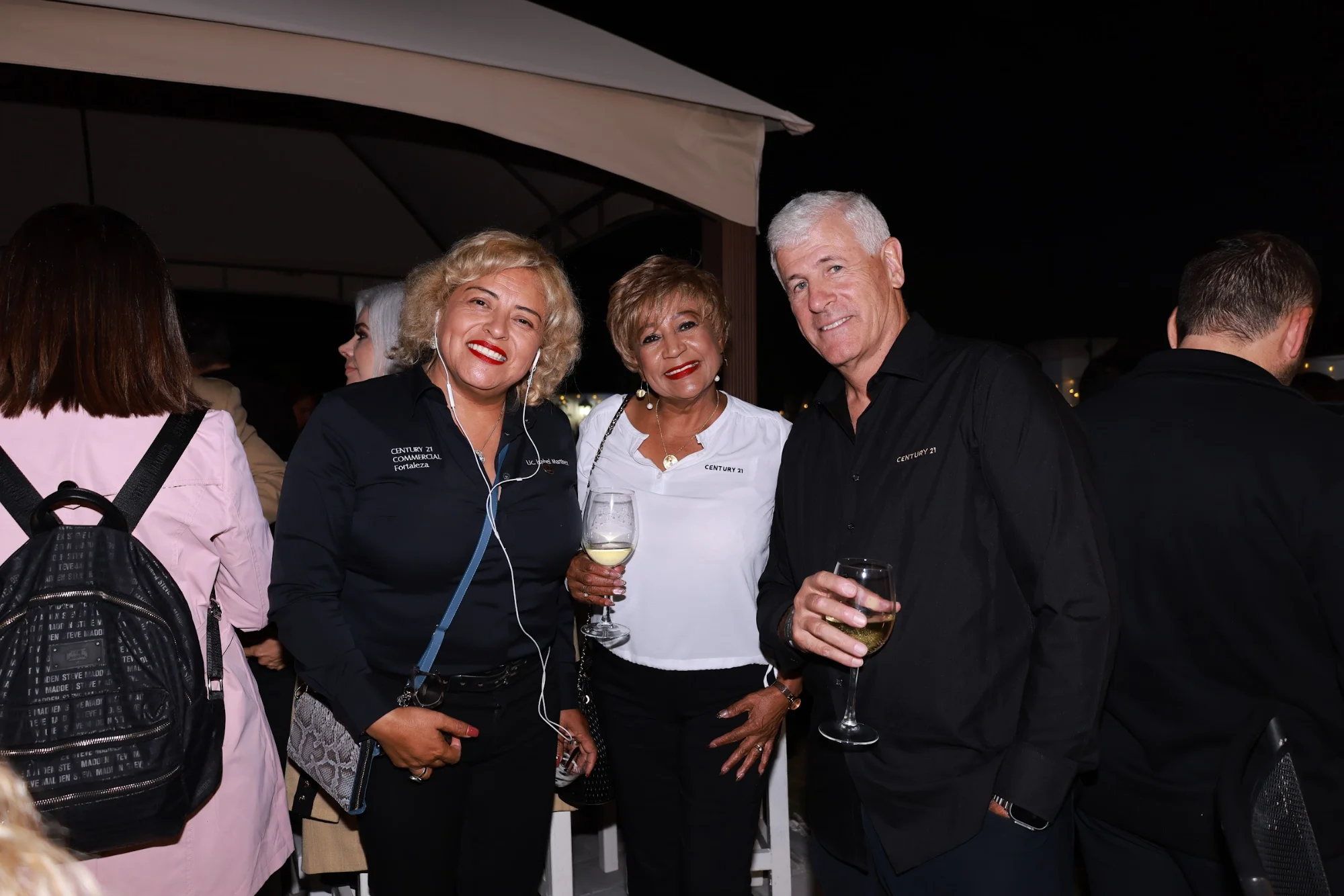
I was wearing the shirt with the logo on it, because I wear it everywhere. I name tag everything. The waiter came over, saw the logo, and said: are you guys coming to town? I left the United States about a year ago, and we used that company to sell our house there. It would be great if you were here, because that was a good experience for us.
The country owner did not say anything for a moment. He did not have to. The waiter had just told him what a brand does for a market that has never seen it.
Why it carries so much weight here
In many Latin American countries there is no licensing for real estate. My estimate is that maybe 10 percent of the people selling property are licensed. When there is no standard, people look for one. Nationals and expats coming into the main cities see a name they recognize and migrate toward it, because it is a name they can trust.
That is the whole mechanism. People need people to trust. A brand is a promise that the experience will be the same as the one somebody already had somewhere else, and in a market without licensing, that promise is worth more than it is in a market with it.
Let the market speak for you
That lunch was not luck. It was a habit. Whenever we were at an event, a hotel, a dinner, anywhere in front of people, I would ask them in front of the prospective owner about their experience with us. Not because I needed the compliment. Because the owner needed to hear it from someone who was not trying to sell him a franchise.
A broker can do the same thing in his own city. Put your past clients in the room with your next ones. Ask them, in front of the seller you are trying to sign, what the experience was like. A stranger vouching for you is worth more than anything on your CV, and it is the only kind of proof that survives a border.
What this means if you are independent
You do not have to own a global brand to use this lesson. The waiter did not trust a logo. He trusted an experience he had already had, and the logo told him he could expect it again. Every referral that crosses a border works the same way: somebody vouches that you will deliver the experience they delivered.
So the question for an independent agent or a small brokerage is not how do I get a famous name. It is: what standard am I visibly committed to, and how does a stranger recognize it? A professional listing agreement, shared data, a published way of working. Those are the things that let trust travel.
Brands change hands. The standard behind them is what people are actually buying, and that is something any professional can build.

Research for the profession