Organizing markets
An MLS Is a Partnership, Not a Vendor
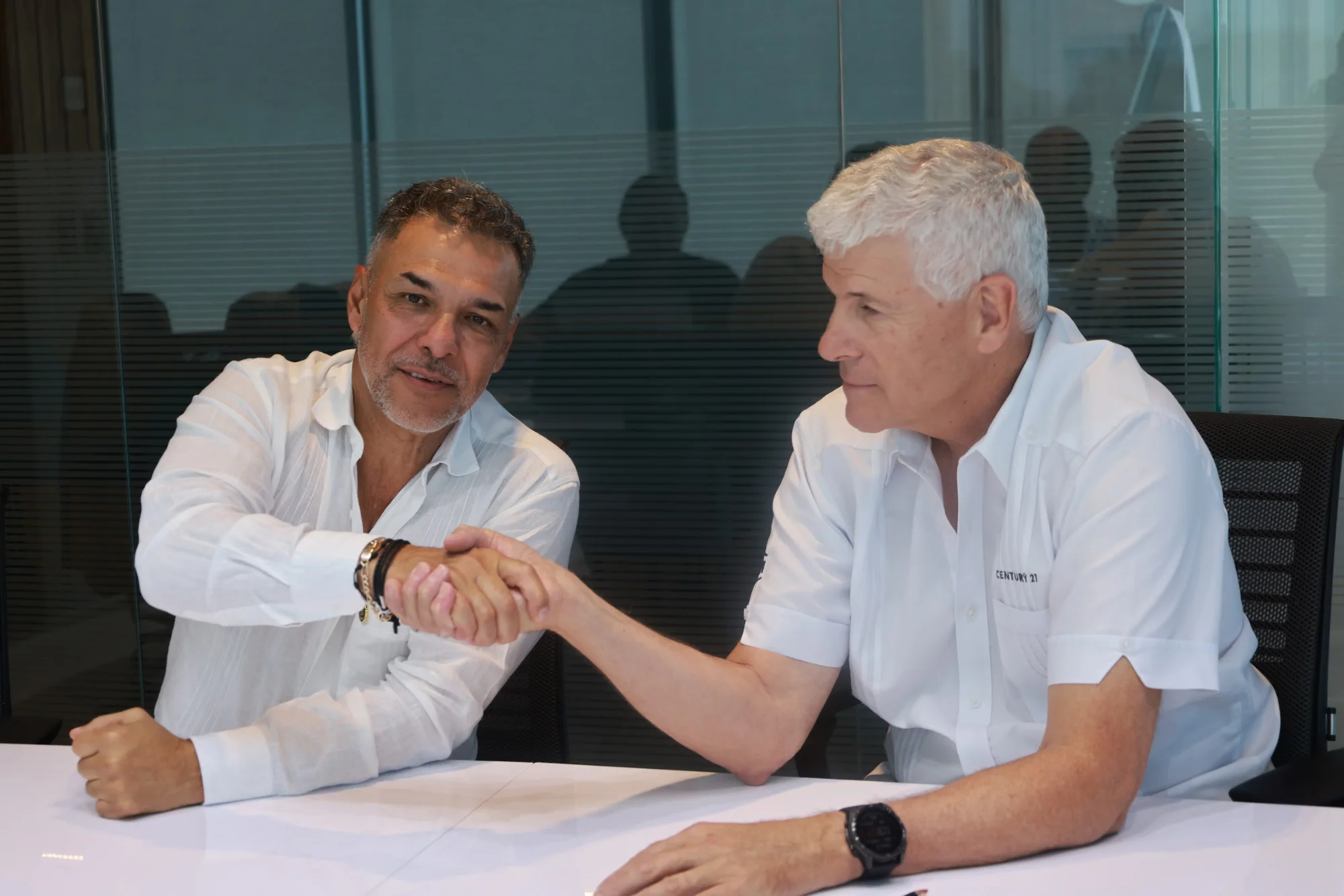
When I started talking about an MLS for Latin America, the first thing everyone wanted to know was what was in it for them. Fair question. But two groups answered it in ways that nearly kept the MLS from happening, and both of them were wrong for the same reason. They were looking at a cost when they should have been looking at a partner.
The portal that was not an MLS
Mexico had a listings database long before it had an MLS. In 1989 we brought a technology program into the country and put all of our data in it, and we eventually sold that database to a company that became the standard for brokers in Mexico for many years. The problem was what went into it. Most of the listings were open listings, brokers were not sharing commissions through it, and independents mostly stayed out. It was a pay for advertising platform. You bought a subscription and posted your open listings.
That is a portal, and a portal is a very different thing from an MLS. When I became CEO in Mexico in 2012 I looked at it and said this evolution is not good. We kept marketing there, but we started looking for a real MLS that year. It took until 2019 and 2020 to put together the contract with an international provider whose system is used by more than a million agents in the United States and Canada. That system is what Omni MLS runs on today.
Associations wanted a sponsor
Our client is not only the broker. It is also the association. In Mexico that is primarily AMPI, which has been there a long time and has great leadership. AMPI runs shows and events, and shows and events need sponsors, so the association looked at Omni MLS the way it looks at a sponsor: here is what it costs to be at our event.
We did not want to be a vendor. We wanted to be the association’s partner in organizing real estate. An MLS is not somebody trying to sell you something. It is something that grows your members, helps buyers and sellers, and professionalizes the market. Getting associations to see that difference has been our biggest challenge, and it is still the conversation we have in every new country.
Brokers saw a cost
The big, powerful brokers in our own network in Mexico did not see a benefit either. They saw a cost. We charge the agents to belong to the MLS, about 18 dollars a user a month, and the brokers felt that another fee would hurt them with the agents they had and the agents they were trying to recruit. We knew it would take months of explaining.
Here is how it actually went. At month three I asked the agents what they thought of the MLS, and they said we do not know how to use it, it is a waste of our time. At month six they asked whether we had classes. We did, live and on demand, and we told them so. At month nine or ten they were saying this is a fantastic tool, I am so glad we have it, and they were telling their brokers.
Then the brokers came to us and said this is something we need more of. Today, when a broker in our network recruits an agent, he does not just talk about the office. He talks about the MLS the agent will have access to. The cost became the pitch.
Where it stands
Omni MLS has about 3,200 users today, most of them in Mexico. We are strong in Costa Rica through two associations, CRGAR and CCCBR. We are introducing the concept with the associations in Colombia. Bolivia wants to work with us once its own brands are in order. Brazil, the biggest market in South America, is where our future growth is. Argentina has its own licensing model that we will solve in time, and in Venezuela, where we have more than 80 offices, the demand is there before we can be.
Latin America needs an MLS to provide buyers and sellers with a better service. That is the whole case. Not a product to buy, a partnership to join.

Research for the profession